Construction Site Theft Prevention in California
Practical ways to prevent tool, copper and equipment theft on California construction sites, from lighting and fencing to cameras and patrol.
October 19, 2026 · 5 min read · Fast Guard Securities
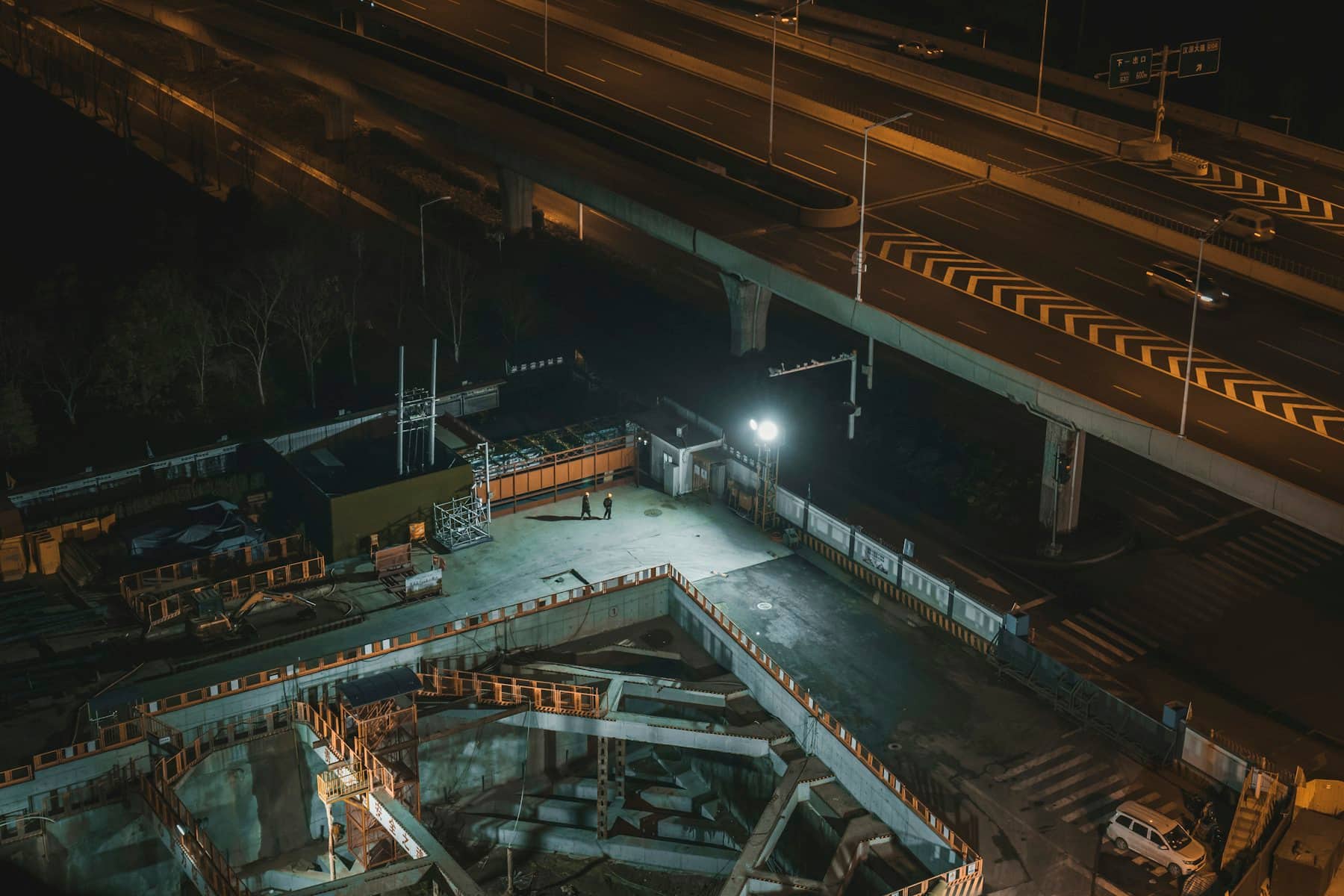
Theft is a familiar headache on construction sites. Tools, copper wire and pipe, appliances, generators and heavy equipment are valuable, easy to resell and often left in areas that are empty at night and on weekends. For builders in Los Angeles, Orange County, the Inland Empire and San Diego, even a small loss can delay schedules, trigger insurance deductibles and push up costs.
No single measure stops every theft. The most effective approach is layers: make the site harder to enter, easier to see, and quicker to respond to. Here is how to build those layers.
Know what thieves target
- Hand and power tools left in unlocked containers or inside the structure.
- Copper wiring, pipe and other metals, especially once rough-in work has been done.
- Appliances, fixtures and building materials staged for installation.
- Fuel, generators, light towers and compact equipment.
- Vehicles and trailers parked on the site.
Walk your site as a thief might. Where could someone enter unseen? Where is high-value material stored? When is the site empty? Your answers should shape the plan.
Layer 1: Perimeter and fencing
A solid perimeter is the first deterrent. Temporary fencing with locked gates, secured with quality chains and locks, forces thieves to spend time and make noise. Keep a single controlled entrance where possible and close gaps. Remove ladders, pallets, dumpsters and equipment stacked against the fence that could be used as steps.
Layer 2: Lighting
Thieves prefer darkness. Good lighting at gates, laydown areas and building entrances makes the site less attractive and helps cameras and patrol officers see. Solar light towers are a common option where power is not yet available. Check local rules about glare and neighbors when setting up.
Layer 3: Secure storage
- Store tools in locked, anchored containers and keep a tool inventory.
- Move high-value materials inside only when the structure can be locked.
- Stage copper and fixtures as close to installation time as practical.
- Mark tools and equipment and record serial numbers to help recovery.
- Immobilize equipment and remove keys at end of day.
Layer 4: Cameras and remote monitoring
Cameras are useful for deterrence and evidence, and they cover more ground than one person can. A camera that only records, however, tells you what happened after the loss. Systems with motion detection and live monitoring let an operator view the site when an alert triggers, speak a warning through a speaker where available and call the police while the intruder is still there.
Mobile camera trailers are one option for sites where installing permanent systems makes little sense. Plan for power, connectivity and clear sight lines to the areas that matter most.
Layer 5: Patrol and on-site officers
People can do what hardware cannot: notice that something looks wrong, check a suspicious vehicle and confirm whether an alarm is real. Mobile patrol gives you random visits at night and over weekends for a moderate cost. For large or especially vulnerable sites, a dedicated officer during off-hours may be worth the expense, especially during phases when valuable materials are on site.
Make a simple site security plan
- Assign one person to be responsible for site security and key control.
- Keep a list of who is allowed on the site and when.
- Post clear signs that the site is monitored.
- Tell neighbors and ask them to call if they see activity after hours.
- Document everything: photos, inventory lists and police report numbers.
- Talk to your insurance carrier about what security measures it requires or recommends.
If a theft happens
Call the police and file a report so you have a record for insurance. Preserve camera footage right away. Make a list of what was taken with serial numbers if you have them. Then review the layers above to find the gap, and close it before the next phase. This article is general guidance and not legal or insurance advice.
Fast Guard Securities can assess your site, recommend the right mix of patrol, cameras and on-site officers, and put it in place quickly as phases change.
See CCTV systems →This article is general information for California property owners, not legal advice. Rules change; confirm current requirements with the relevant authority.
Common questions
What is the best way to stop copper theft on a construction site?
Reduce how long copper sits on site, store it in locked areas, and add lighting, cameras and patrol around the building after rough-in. Layers work better than any single measure.
Do I need a security guard at my construction site overnight?
Not always. Smaller or lower-risk sites often do well with fencing, lighting, cameras and mobile patrol. Larger sites or those holding valuable materials may justify a dedicated officer. A site assessment can help you decide.
Are construction site cameras worth it?
They can be, especially when monitored or linked to alerts. Recording-only cameras mainly help with evidence after a loss. Combining cameras with live monitoring or patrol makes them far more useful.

Get a security plan for your site.
Free walkthrough. Fixed written price. Officers on site in as little as 72 hours.