HOA and Apartment Security in Southern California
Patrol, gate officers or cameras? A plain guide for HOA boards and property managers in Southern California on choosing the right security mix.
November 8, 2026 · 5 min read · Fast Guard Securities
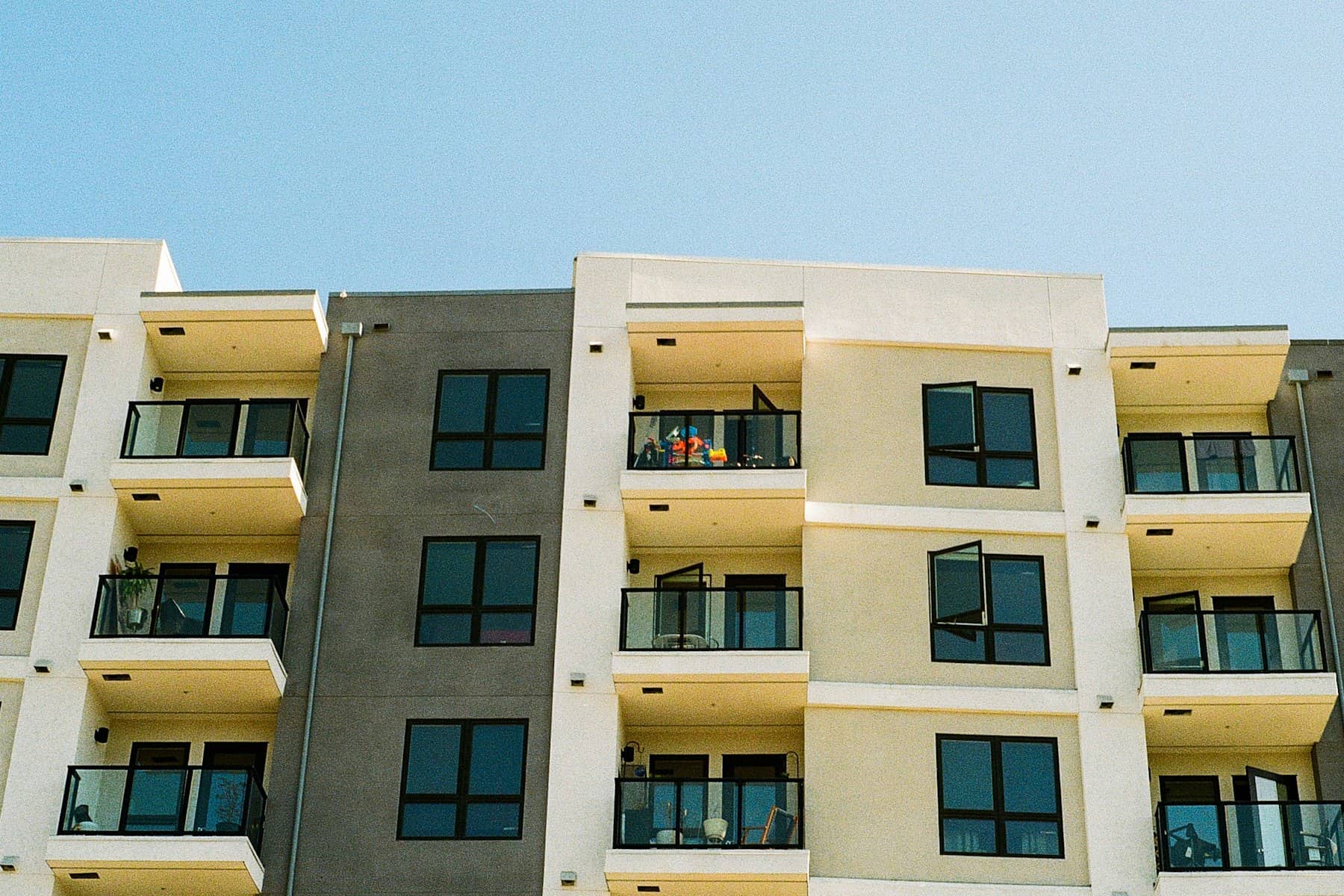
Residents of a condo complex, townhome community or apartment building usually want the same things: to feel safe, to keep cars and packages from disappearing, and to avoid paying for more security than the property needs. Boards and managers across Southern California, from Los Angeles and Orange County to the Inland Empire and San Diego, often face the same question: should we hire patrol officers, put guards at the gate, install cameras, or combine them?
The honest answer is that it depends on how your property is laid out and what problems you actually have. This guide explains what each option does well, where it falls short, and how to decide.
Start with the problem, not the product
Before you collect quotes, write down what has gone wrong in the last year. Break-ins to vehicles, tailgating through the vehicle gate, loitering in stairwells, noise complaints, vandalism, package theft and parking violations all call for different responses. A community with mostly parking and loitering issues needs something different from one that mainly worries about unauthorized people walking in behind residents.
Review incident logs, resident emails and any police report numbers. If the board has no records, start keeping them. Good records make it easier to judge whether a security change is working.
Option 1: Mobile patrol
In a mobile patrol arrangement, a marked vehicle and an officer visit the property at irregular times through the night, checking doors, garages, pools, perimeters and common areas. The officer writes a report for each visit. You share the officer with other sites, so the cost is lower than a full-time post.
- Good for: deterrence, after-hours checks, lock-up checks, parking enforcement and communities with no single entry point.
- Limits: the officer is not on site all the time, so a problem that happens between visits may be found only afterward.
- Ask about: how many visits per night, how visits are verified, and how reports reach the board.
Option 2: Gate or lobby officers
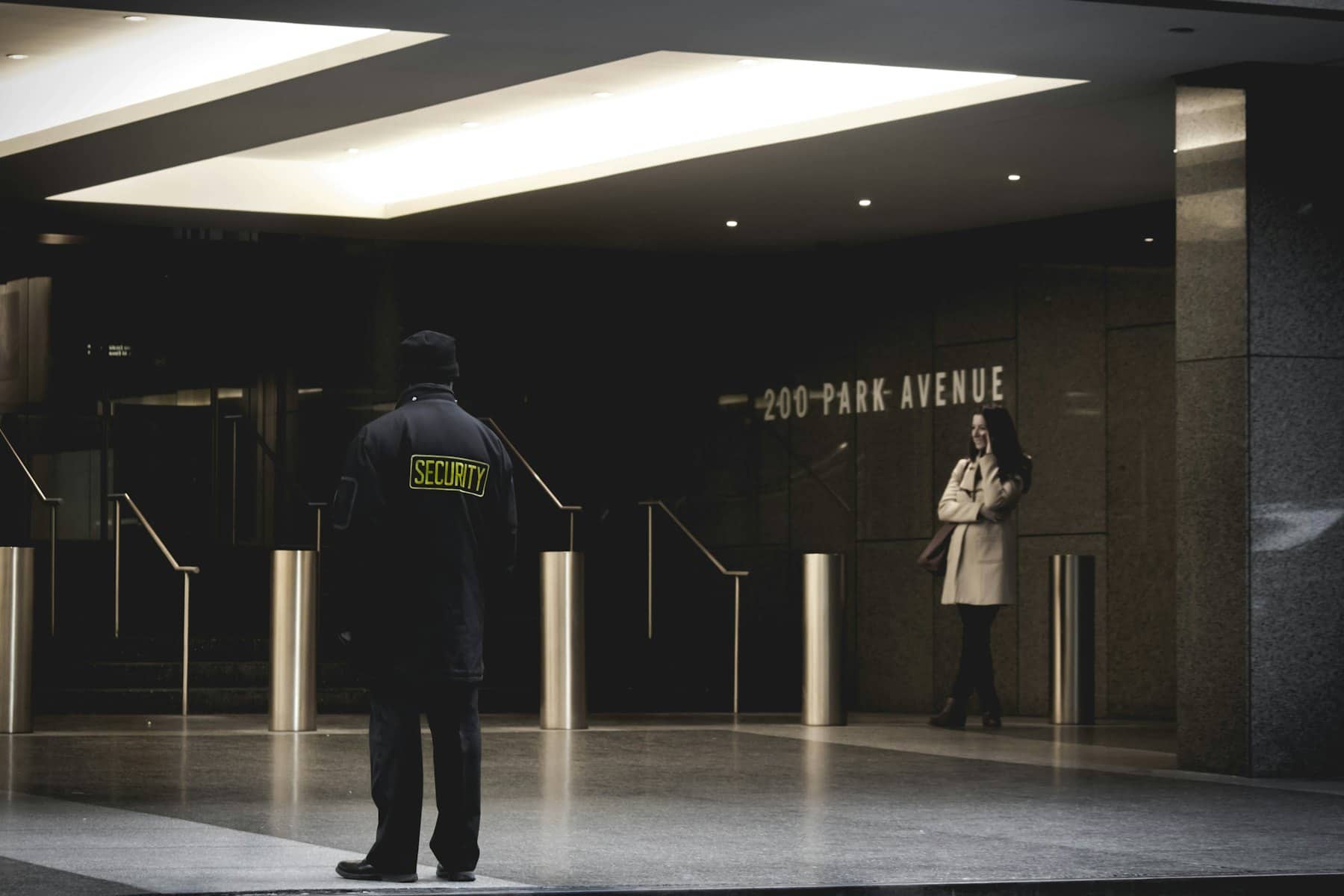
A dedicated officer at a gatehouse or lobby desk screens visitors, logs deliveries, controls vendor access and is a constant visible presence. This is the most expensive option because one post, covered around the clock, requires several people across a week. But for larger gated communities and high-rise buildings, it is often the only way to manage visitor traffic properly.
- Good for: visitor screening, guest lists, package and vendor control, and a consistent point of contact for residents.
- Limits: a gate officer sees the entrance, not the rest of the property. Cost is the highest of the three options.
- Ask about: post orders, who covers breaks and sick days, and how the company handles resident complaints.
Option 3: Cameras and monitoring
Cameras on entrances, garages, mailrooms and parking areas can deter some crime and give you evidence when something happens. They do not respond to anything by themselves. Footage that nobody watches helps after the fact, not during it. Many communities pair cameras with remote monitoring so a trained operator can review alerts and call for help.
Privacy matters here. Cameras should cover common areas and entrances, not windows, balconies or private patios. Posting clear signage and having a written policy on who can view and export footage protects the association.
Combining options
Many properties do best with a mix. A common pattern is cameras on the entrances and garage, a daytime gate officer or none at all, and mobile patrol at night. Another is a gate officer during peak hours with patrol and remote monitoring covering the rest.
A layered approach also lets you adjust over time. If patrol logs show a quiet property, you can reduce visits. If a problem area emerges, you can add a camera or a temporary post there.
Questions to ask any security company
- Is the company licensed by the California Bureau of Security and Investigative Services (BSIS), and are its officers registered?
- What insurance does it carry, and can it name your association as an additional insured?
- How are patrol visits proven, and what do incident reports look like?
- Who supervises the officers, and how quickly can you reach a manager after hours?
- What does the contract say about cancellation and changes in scope?
Also ask what officers can and cannot do. Security officers are not police and have limited authority. A sensible service will focus on observing, reporting, deterring and calling police or fire when needed, not on confrontation. This article is general information and not legal advice; your association attorney can review contracts and policies.
Getting board and resident buy-in
Security spending affects dues, so explain the reasoning. Share the incident history, the options you compared, the cost of each and how you will measure results. Review the service at set intervals, for example every quarter, and adjust.
Fast Guard Securities can walk your property, listen to what residents are worried about and recommend a patrol, gate or camera mix that fits your community and budget.
See mobile patrol services →This article is general information for California property owners, not legal advice. Rules change; confirm current requirements with the relevant authority.
Common questions
Is mobile patrol or a gate guard better for an HOA?
Neither is better in every case. Gate officers suit communities with heavy visitor traffic and a single entrance. Mobile patrol suits properties that mainly need after-hours checks and deterrence at a lower cost. Many HOAs use both.
Can security guards enforce HOA parking rules?
Often yes, if the association authorizes it in the post orders and its own governing documents allow it. Officers typically document and report violations or issue notices as directed. Enforcement such as towing has its own legal requirements, so confirm with your association attorney.
Do cameras reduce crime in apartment complexes?
Visible cameras can discourage some incidents and provide evidence afterward, but they work best alongside lighting, access control and a way for someone to respond to what they see.

Get a security plan for your site.
Free walkthrough. Fixed written price. Officers on site in as little as 72 hours.